
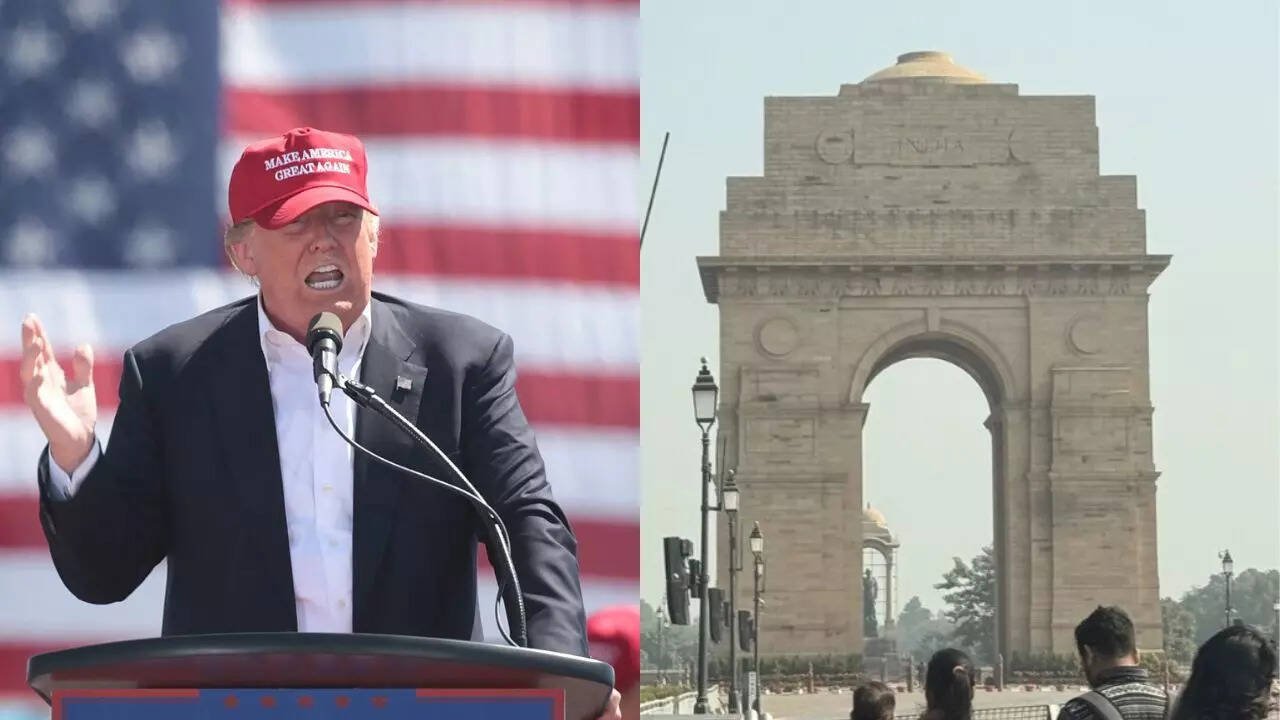
Trump’s India Gate Arch Comparison Sparks Global Interest
Recent comments from former U.S. President Donald Trump regarding his proposed “Independence Arch” for Washington D.C. have drawn significant international attention, particularly after his comparison to India Gate. The architectural concept has sparked discussion about monument design and national symbolism across continents.
A Monumental Vision
Trump’s vision for a triumphal arch in the nation’s capital represents an ambitious architectural proposal that would stand as a prominent landmark. The concept emerged from his observation that Washington D.C. currently lacks such a monumental structure, while many other world capitals feature iconic arches that serve as important national symbols.
The former president specifically referenced India Gate as a point of comparison, noting the impressive scale and historical significance of the Indian monument. This comparison has generated considerable interest, as it highlights both the ambition of the proposed project and the international context in which such architectural decisions are viewed.
Historical Context and Symbolism
India Gate, located in New Delhi, serves as a war memorial honoring Indian soldiers who died during World War I and the Third Anglo-Afghan War. The 42-meter tall sandstone arch stands as one of India’s most recognizable monuments, combining architectural grandeur with deep historical meaning.
Washington D.C.’s landscape, while rich in monuments and memorials, does not currently feature a triumphal arch of comparable scale. Trump’s proposal envisions a structure that would not only fill this gap but also potentially surpass existing monuments in height and significance, creating a new focal point in the city’s architectural panorama.
International Architectural Dialogue
The comparison between potential U.S. and Indian monuments has opened a broader conversation about how different nations approach memorial architecture. Triumphal arches have historically served as powerful symbols of national achievement and collective memory, from the Arc de Triomphe in Paris to similar structures across Europe.
Trump’s comments have reignited discussions about monument design and purpose in contemporary society. The proposal raises questions about how modern nations balance historical commemoration with contemporary architectural expression, and what role such structures play in shaping national identity.
Global Reception and Discussion
The international community has responded with varied reactions to the proposed arch concept. Some view it as an ambitious project that could enhance Washington D.C.’s architectural landscape, while others question the necessity and symbolism of such a monument in the modern political climate.
Media coverage across multiple continents has highlighted the cross-cultural nature of the proposal, with architectural experts and political commentators weighing in on the feasibility, design considerations, and potential impact of such a structure on the nation’s capital and its symbolic representation.
Future Prospects
While the concept has generated substantial discussion, the actual implementation of such a monumental project would require extensive planning, funding, and approval processes. The proposal faces both practical challenges and philosophical questions about contemporary monument building.
As the conversation continues, the architectural community and public alike remain interested in how this potential project might evolve. Whether realized or not, Trump’s “Independence Arch” concept has already succeeded in drawing international attention to the power and significance of architectural monuments in national identity and historical memory.
Conclusion
The comparison between Trump’s proposed arch and India Gate represents more than just an architectural discussion. It reflects the ongoing conversation about how nations choose to commemorate their history and express their identity through monumental structures. As this concept continues to develop, it will be fascinating to observe how international perspectives influence the vision and potential realization of such an ambitious project.
