
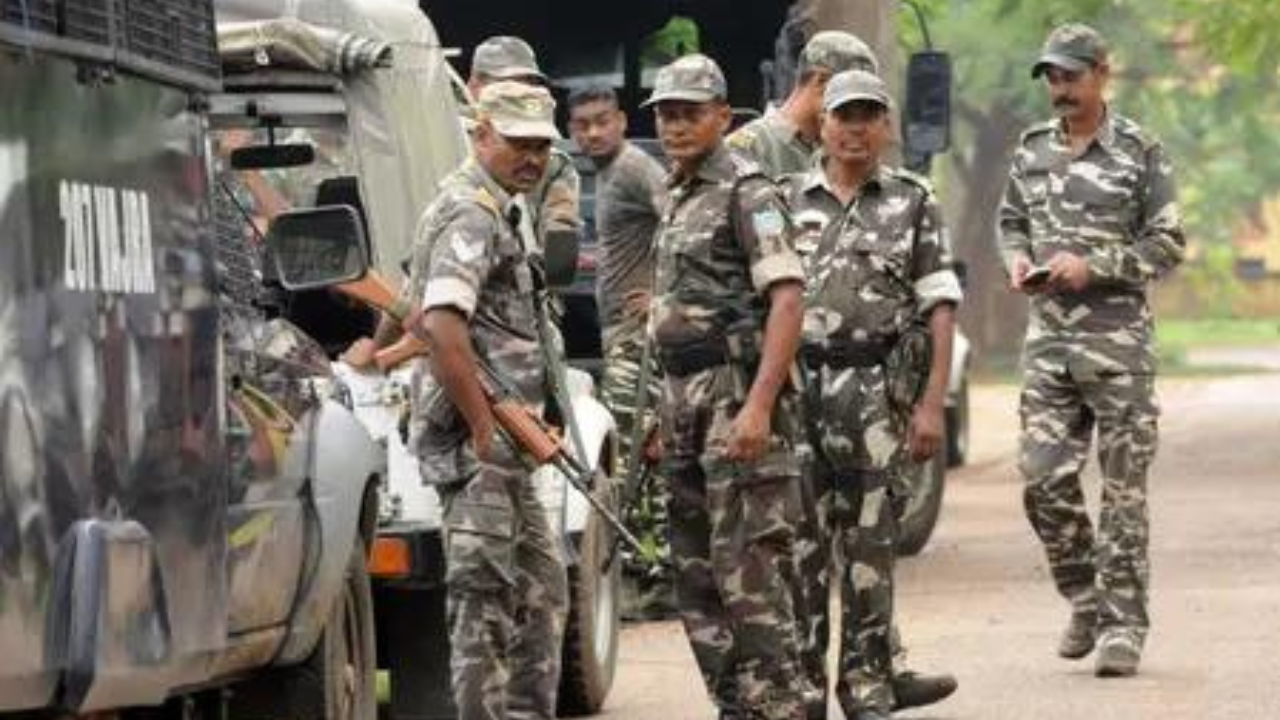
Naxal Conflict Shows Significant Decline with 364 Maoists Neutralized
Left-wing extremism in India continues to witness a remarkable decline as government statistics reveal substantial progress in counter-insurgency operations. The Ministry of Home Affairs has reported significant achievements in the ongoing battle against Naxalism, with security forces successfully neutralizing 364 Maoists during the previous fiscal year.
Major Security Operations Yield Positive Results
The comprehensive security operations conducted across affected regions have yielded impressive results. Among the neutralized extremists, 12 were identified as top-level leaders who played crucial roles in coordinating insurgent activities. In addition to neutralization efforts, security forces apprehended 1,022 Maoists who were involved in various criminal activities related to the extremist movement.
What makes these statistics particularly noteworthy is the simultaneous increase in voluntary surrender. A total of 2,337 Naxals chose to surrender and reintegrate into mainstream society, indicating growing disillusionment with the extremist ideology and increased confidence in government rehabilitation programs.
Geographic Impact: Decline in Affected Districts
One of the most significant indicators of progress is the dramatic reduction in the number of districts affected by Naxal violence. Since 2019, the count has plummeted from 61 to just 32 districts. This substantial reduction reflects the effectiveness of multi-pronged strategies employed by security forces and government agencies.
The decrease in affected districts has been accompanied by a significant dip in violent incidents and casualties. This trend suggests that the government’s comprehensive approach, combining security measures with development initiatives, is gradually weakening the extremist infrastructure.
Government’s Strategic Approach
The decline in Naxal activities can be attributed to several strategic initiatives implemented by the government. These include enhanced intelligence gathering, improved coordination between central and state security forces, and the implementation of development programs in remote areas that were previously under extremist influence.
Developmental initiatives have played a crucial role in winning the hearts and minds of local populations. By improving infrastructure, providing healthcare facilities, and creating employment opportunities, the government has effectively addressed some of the root causes that made vulnerable communities susceptible to extremist recruitment.
Future Goals and Timeline
The government has set an ambitious target to completely eradicate Naxalism by March 31, 2026. This timeline reflects the administration’s confidence in the current strategies and the visible progress achieved so far. The remaining years will focus on consolidating gains in the 32 affected districts and preventing any resurgence of extremist activities.
To achieve this goal, the government plans to intensify development activities, strengthen security infrastructure, and enhance rehabilitation programs for surrendered Naxals. The comprehensive approach aims to ensure that once eliminated, the extremist ideology does not find fertile ground again.
Challenges Ahead
Despite the significant progress, security agencies acknowledge that challenges remain. The rugged terrain in certain affected regions, the presence of hardened extremists, and the need for continued vigilance require sustained efforts. However, the current trajectory suggests that these challenges can be overcome with continued determination and resources.
The decline in Naxal violence represents a major victory for internal security operations. It demonstrates that a balanced approach combining security measures with developmental initiatives can effectively combat left-wing extremism. The increasing number of surrenders particularly indicates that the extremist movement is losing its appeal and support base.
International Recognition
The success in containing Naxalism has garnered attention from international security experts. The Indian model of counter-insurgency, which emphasizes both security and development, is being studied as a potential framework for addressing similar challenges in other regions.
As the government moves closer to its 2026 target, the focus remains on ensuring that the benefits of peace and development reach all affected regions. The journey toward complete elimination of Naxalism is challenging, but the progress made so far provides a solid foundation for achieving this national objective.
The coming years will be critical in determining whether India can completely eradicate this decades-old menace. With the current momentum and continued commitment, there is growing optimism that the government’s ambitious target can be realized, bringing lasting peace to affected regions and contributing to India’s overall development goals.
