
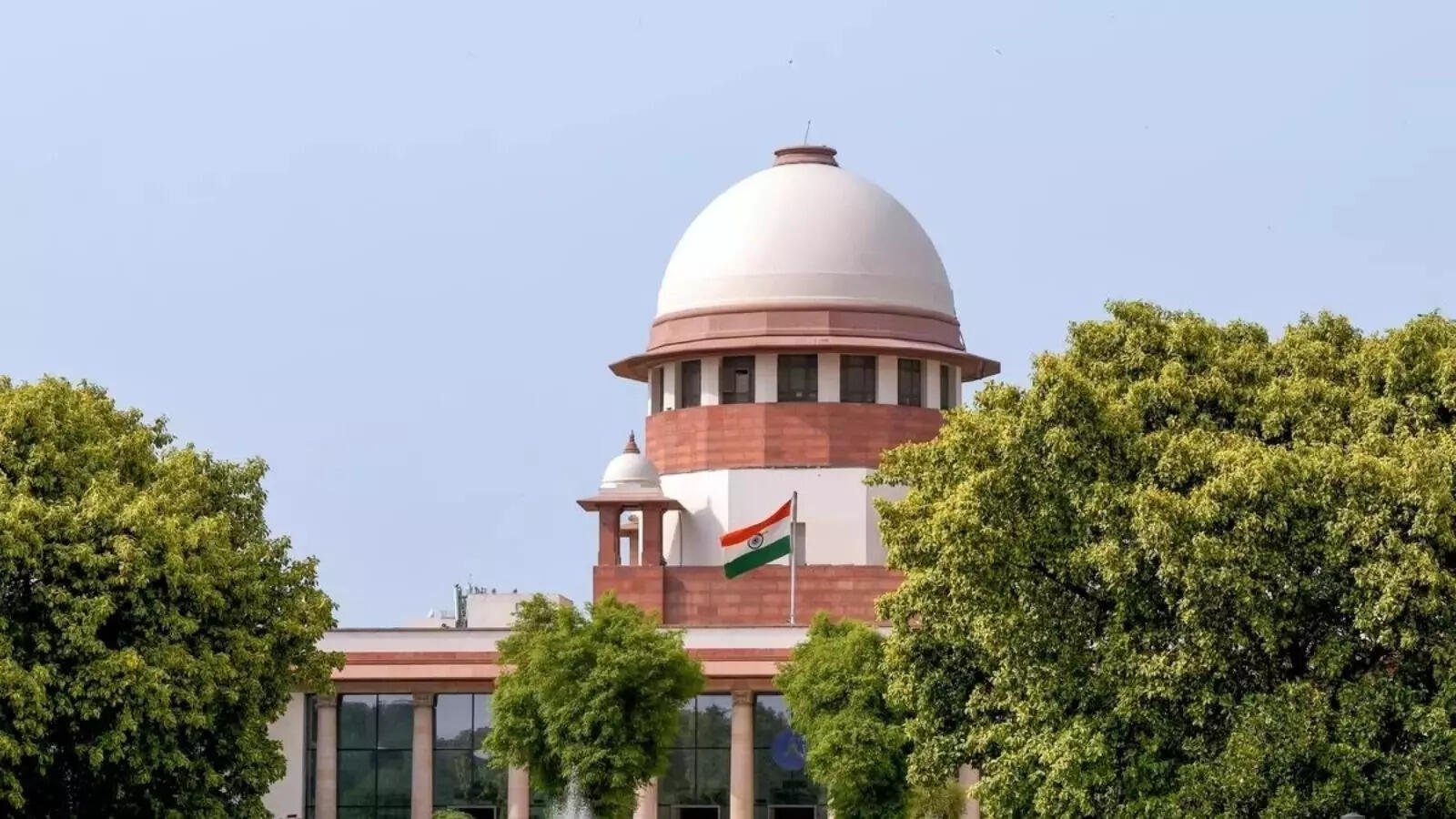
Supreme Court Issues Strong Warning to WhatsApp and Meta on Privacy Rights
The Supreme Court has delivered a stern message to messaging giant WhatsApp and its parent company Meta, emphasizing that the fundamental right to privacy of citizens cannot be compromised. The court’s warning comes in response to the companies’ controversial “take it or leave it” approach to their data policies.
Court’s Stance on Privacy Rights
In a significant development, the apex court made it clear that technology companies cannot impose terms that citizens have no choice but to accept. The court highlighted the importance of protecting individual privacy rights in the digital age, where personal data has become increasingly valuable and vulnerable.
“You can’t play with the right to privacy of citizens,” the court remarked during the proceedings, signaling its serious concern over the current practices of major tech platforms. This statement reflects the judiciary’s growing awareness of the power imbalance between large corporations and individual users.
The “Take It or Leave It” Policy Concerns
The specific policy under scrutiny is the “take it or leave it” approach that effectively forces users to either accept all terms of service or be denied access to the platforms entirely. This practice has drawn criticism from privacy advocates and legal experts who argue that it undermines informed consent and fair dealing.
WhatsApp and Meta, like many other tech companies, have faced increasing scrutiny over their data collection and usage practices. The court’s intervention suggests that such policies may face greater legal challenges in the future, potentially setting important precedents for digital rights in the country.
Broader Implications for Digital Privacy
This development carries significant implications for the broader landscape of digital privacy in India. As more aspects of daily life move online, the protection of personal data has become a critical concern for both regulators and citizens.
The Supreme Court’s stance aligns with global trends where courts and regulatory bodies are increasingly holding tech companies accountable for their data practices. Several countries have implemented comprehensive data protection laws, and India has also been moving toward establishing stronger frameworks for digital privacy.
Legal Framework and User Rights
The court’s warning operates within the context of India’s evolving legal framework for data protection. While comprehensive legislation is still in development, the Supreme Court has previously recognized the right to privacy as a fundamental right under the Constitution.
This recognition has paved the way for greater judicial scrutiny of practices that might infringe upon this right. The current case against WhatsApp and Meta represents another step in this direction, potentially influencing how other tech companies structure their terms of service and data policies.
Industry Response and Future Outlook
The messaging platform industry will likely be watching the developments closely. Companies may need to reconsider their approach to user agreements and data policies, potentially adopting more transparent and user-friendly practices that respect individual rights while maintaining necessary business operations.
As digital platforms continue to play integral roles in communication, commerce, and social interaction, the balance between business interests and user protection will remain a critical area of legal and ethical consideration.
Conclusion
The Supreme Court’s warning to WhatsApp and Meta serves as an important reminder that technological advancement must not come at the expense of fundamental rights. As digital platforms become increasingly embedded in everyday life, ensuring that user privacy is protected and respected remains a paramount concern for both the judiciary and the public.
This case underscores the need for continued dialogue between technology companies, regulators, and citizens to establish frameworks that promote innovation while safeguarding individual rights in the digital age.
