
Cricket Rules Overhauled with 73 Major Changes
The world of cricket is set for significant transformation as the Marylebone Cricket Club (MCC) has implemented comprehensive updates to the sport’s laws, introducing 73 substantial modifications that will reshape how the game is played and officiated across all levels.
Major Rule Changes Overview
The extensive overhaul addresses various aspects of cricket, from fundamental gameplay mechanics to equipment specifications. These changes aim to enhance fairness, clarity, and consistency in the sport while addressing modern playing conditions and technological advancements.
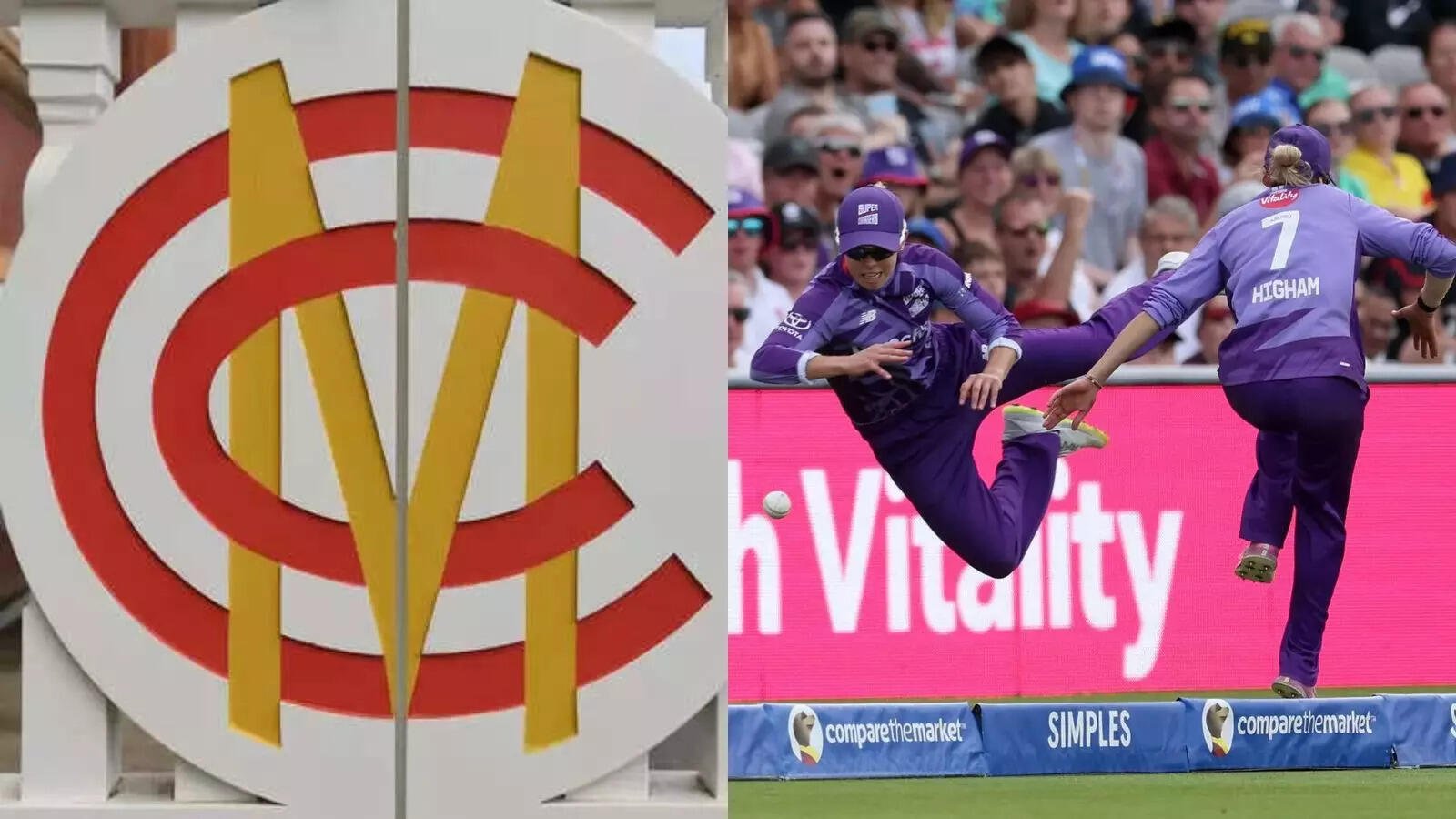
Among the most notable updates are requirements for completing the final over in multi-day matches regardless of wicket loss, revised guidelines for wicketkeeper positioning, the removal of controversial ‘bunny hop catch’ interpretations, and the legalization of laminated bats in open-age cricket.
Key Updates in Detail
Final Over Requirements
Perhaps the most impactful change is the mandate that final overs in multi-day matches must be completed in their entirety, even after wickets have fallen. This modification ensures that teams cannot strategically shorten innings by wicket loss in crucial final stages, promoting more competitive and complete cricket performances.
Wicketkeeper Positioning
Clarifications regarding wicketkeeper positioning have been introduced to eliminate ambiguity in the field. These guidelines provide clear parameters for legal and illegal movements, reducing disputes between teams and officials during matches.
Equipment Changes
The rulebook now officially permits the use of laminated bats in open-age cricket, opening up new possibilities for equipment innovation while maintaining the traditional spirit of the game. This change reflects evolving technology while ensuring fair play across all formats.
Ball Specifications
New ball sizes have been introduced specifically for women’s cricket and junior competitions. These tailored specifications aim to enhance playing experience and performance for different player demographics, recognizing the unique needs of various cricket communities.
Impact on the Game
These comprehensive rule changes are expected to have far-reaching effects on cricket at all levels. The mandatory final over completion will particularly affect strategic planning in Test cricket and first-class matches, while equipment modifications may influence bat manufacturing and player preferences.
The removal of the ‘bunny hop catch’ rule simplifies fielding interpretations, potentially reducing contentious decisions during matches. Meanwhile, the official definition of overthrows provides much-needed clarity to a situation that has frequently caused confusion in cricket matches worldwide.
Cricket authorities and players will need time to adjust to these significant changes, with coaching staff and match officials requiring updated training materials and education programs to ensure proper implementation across all competitions.
The MCC’s commitment to regularly reviewing and updating cricket’s laws demonstrates the sport’s ability to evolve while maintaining its core principles and traditions. These changes represent a thoughtful balance between innovation and preservation of cricket’s fundamental character.
As players and teams adapt to these new regulations, cricket fans can expect to see a more consistent and clearly defined version of the sport that addresses contemporary challenges while honoring cricket’s rich heritage.
