
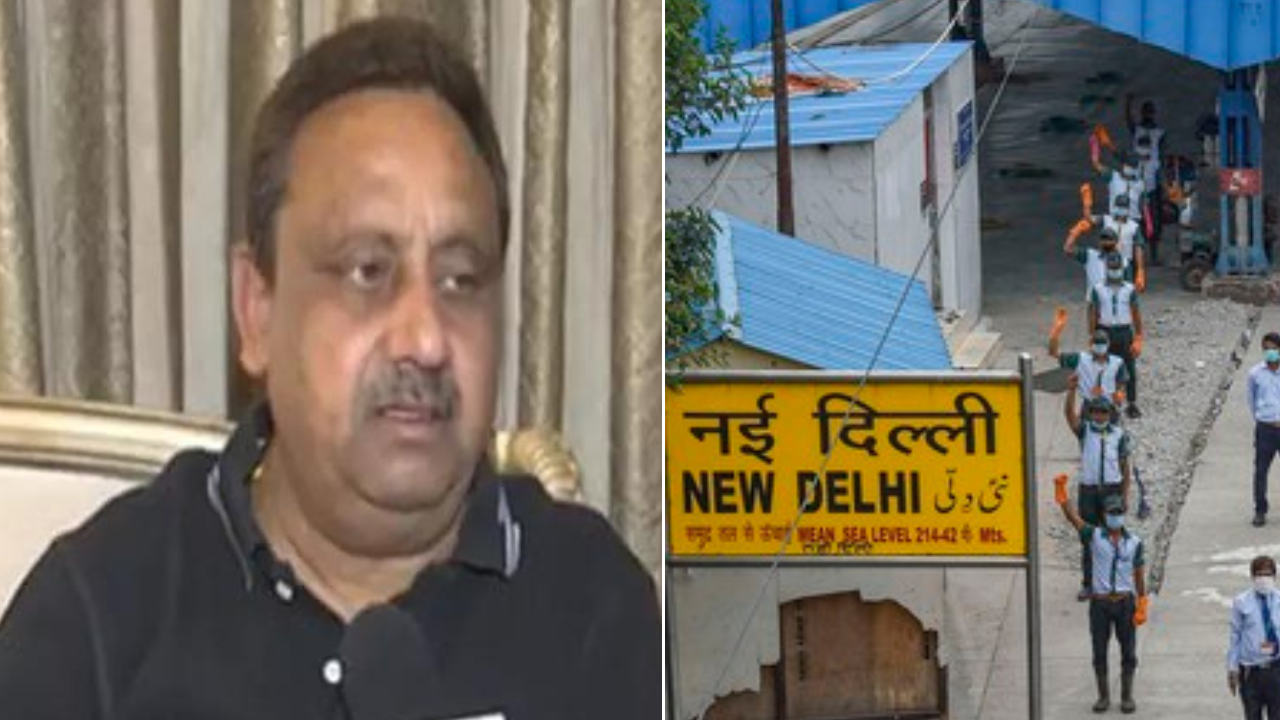
BJP MP Proposes Renaming Delhi to Indraprastha
A Member of Parliament from the ruling BJP has put forward a significant proposal to rename the national capital Delhi to its ancient name Indraprastha, citing historical and cultural significance. The suggestion comes amid ongoing discussions about renaming various places across the country to reconnect with their historical roots.
Historical Context and Cultural Significance
The proposal is based on extensive historical evidence linking the modern capital city to the ancient kingdom mentioned in the epic Mahabharata. According to historical texts, Indraprastha was the magnificent capital established by the Pandavas and served as the seat of power in ancient times. The MP argues that restoring this historical name would help preserve and promote India’s rich cultural heritage.
“Delhi has been known by various names throughout history, but Indraprastha holds a special place in our collective memory,” the MP stated in his communication to the Home Minister. “This name connects us to our glorious past and serves as a reminder of the advanced civilization that once thrived in this region.”
Comprehensive Renaming Proposal
Beyond just the capital city, the proposal includes suggestions for renaming several key transport hubs and important locations within Delhi. These changes are aimed at creating a more cohesive historical narrative throughout the urban landscape. The MP emphasized that such renaming would not be merely symbolic but would serve as a constant reminder of India’s ancient wisdom and achievements.
The proposal also highlights the practical aspects of such a name change, suggesting that it could boost tourism and educational awareness about India’s historical timeline. Many visitors to the capital would benefit from understanding the deeper historical connections that modern place names often obscure.
Broader Implications for Indian Identity
This suggestion follows closely on the heels of the recent approval to rename Kerala as Keralam, indicating a potential trend toward reclaiming historical names across the country. The timing suggests that there may be growing political and cultural momentum behind initiatives that seek to strengthen the connection between modern India and its ancient heritage.
Historians and cultural experts have noted that many Indian cities have undergone numerous name changes throughout history due to various conquests and administrative changes. The proposal to revert to ancient names is seen by some as a way to reclaim authentic cultural identity that may have been lost over centuries of foreign rule and modernization.
Political and Cultural Considerations
While the proposal has generated interest, it also raises questions about the practical challenges of implementing such large-scale name changes. Logistical considerations include updating official documents, addresses, transportation systems, and international recognition. The MP has indicated that these practical aspects would need to be carefully addressed through systematic planning and implementation.
The cultural impact of such renaming could be profound, potentially influencing how citizens perceive their relationship with history and heritage. By restoring ancient names, there may be greater emphasis placed on educating younger generations about the rich historical tapestry that forms the foundation of modern Indian civilization.
As India continues to develop as a modern nation, the balance between preserving historical identity and embracing contemporary progress remains a topic of ongoing discussion. The proposal to rename Delhi to Indraprastha represents one approach to maintaining this delicate balance while honoring the country’s extraordinary historical legacy.
Future Outlook and Implementation
The coming months will likely see further debate and discussion around this proposal, with various stakeholders including historians, linguists, urban planners, and the general public likely to offer their perspectives. Whether the proposal gains traction and leads to actual implementation remains to be seen, but it has certainly added to the ongoing conversation about India’s historical and cultural identity in the modern era.
For now, the suggestion stands as a thought-provoking initiative that challenges us to consider how place names reflect and shape our collective understanding of history and cultural continuity in the world’s largest democracy.
