
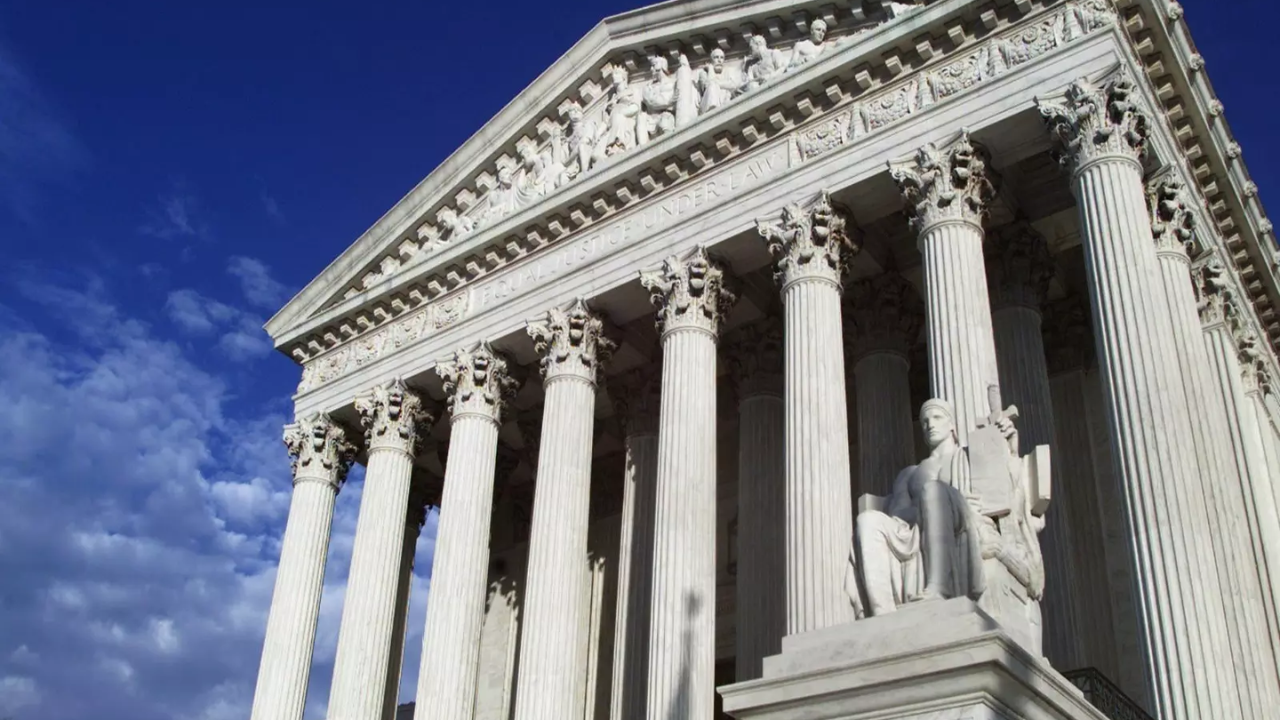
Supreme Court Tariff Decision Sparks Chaos Concerns
The Supreme Court’s recent ruling on trade tariffs has ignited significant debate within legal circles, as three justices issued a stark warning about potential economic turmoil stemming from the decision. While the majority opinion established new guidelines for tariff implementation, the dissenting voices raised serious concerns about the short-term consequences for businesses and consumers alike.
The Dissenting Perspective
Three justices expressed profound reservations about the court’s approach to tariff authority, suggesting that the ruling could unleash widespread economic disruption in the immediate aftermath. Their dissent argued that the decision significantly expands presidential power over trade policy without adequate safeguards against sudden policy changes that could destabilize markets.
The justices emphasized that while long-term stability might be achieved through this interpretation, the transition period could prove particularly challenging for importers, exporters, and consumers who rely on predictable trade conditions. Their warnings focused specifically on the administrative chaos that might emerge as businesses scramble to adapt to new tariff structures.
Legal Analysis of the Decision
The case in question centered on the scope of executive authority under trade statutes, with the Supreme Court ultimately ruling that certain tariff regulations could be implemented with greater flexibility than previously understood. The majority opinion suggested this interpretation would enhance the government’s ability to respond to changing economic conditions.
However, the dissenting opinion argued that such flexibility comes at the cost of predictability. Legal scholars note that this decision represents a significant shift in jurisprudence regarding the separation of powers between the executive and judicial branches when it comes to economic regulation.
Economic Implications
Business analysts are closely monitoring the situation, with many expressing concern about the potential for market volatility. The immediate aftermath of such rulings often sees rapid adjustments in pricing strategies, supply chain logistics, and consumer behavior as various economic actors attempt to navigate the new regulatory landscape.
Import-dependent industries are expected to be particularly vulnerable to any sudden changes in tariff structures. Meanwhile, export-oriented businesses may find themselves facing new competitive challenges as trading partners potentially respond with retaliatory measures of their own.
Expert Commentary
Trade experts have offered mixed assessments of the decision’s potential impact. Some argue that the increased flexibility could lead to more responsive trade policies that better serve national economic interests. Others warn that the lack of clear boundaries could create uncertainty that discourages international investment and long-term planning.
Economists suggest that while short-term disruptions are likely, the long-term effects will depend heavily on how the executive branch chooses to exercise its newly clarified authority. The coming months will be critical in determining whether the concerns expressed by dissenting justices materialize in practice.
As the legal and business communities continue to analyze the implications of this ruling, one thing remains clear: the Supreme Court’s decision has established a new framework for tariff authority that will shape trade policy for years to come. The challenge now lies in balancing the flexibility afforded by this interpretation with the need for stability and predictability in international commerce.
