
Hidden Household Dirt: Germ Hotspots Revealed
Every home harbors invisible threats to family health that often escape notice during routine cleaning routines. While most people focus on visible surfaces and obvious dirt traps, some of the most contaminated items in our homes remain consistently overlooked. Understanding these hidden germ reservoirs and implementing proper cleaning protocols can significantly reduce household illness and create a healthier living environment for all residents.
The Overlooked Culprits
Modern homes contain numerous items that serve as breeding grounds for harmful bacteria, viruses, and other microorganisms. These common household objects frequently contact multiple hands and surfaces throughout the day yet receive minimal attention during standard cleaning procedures. The accumulation of biological material on these items can pose serious health risks, particularly for vulnerable populations including children, elderly family members, and individuals with compromised immune systems.
Kitchen Sponge: The Bacterial Breeding Ground
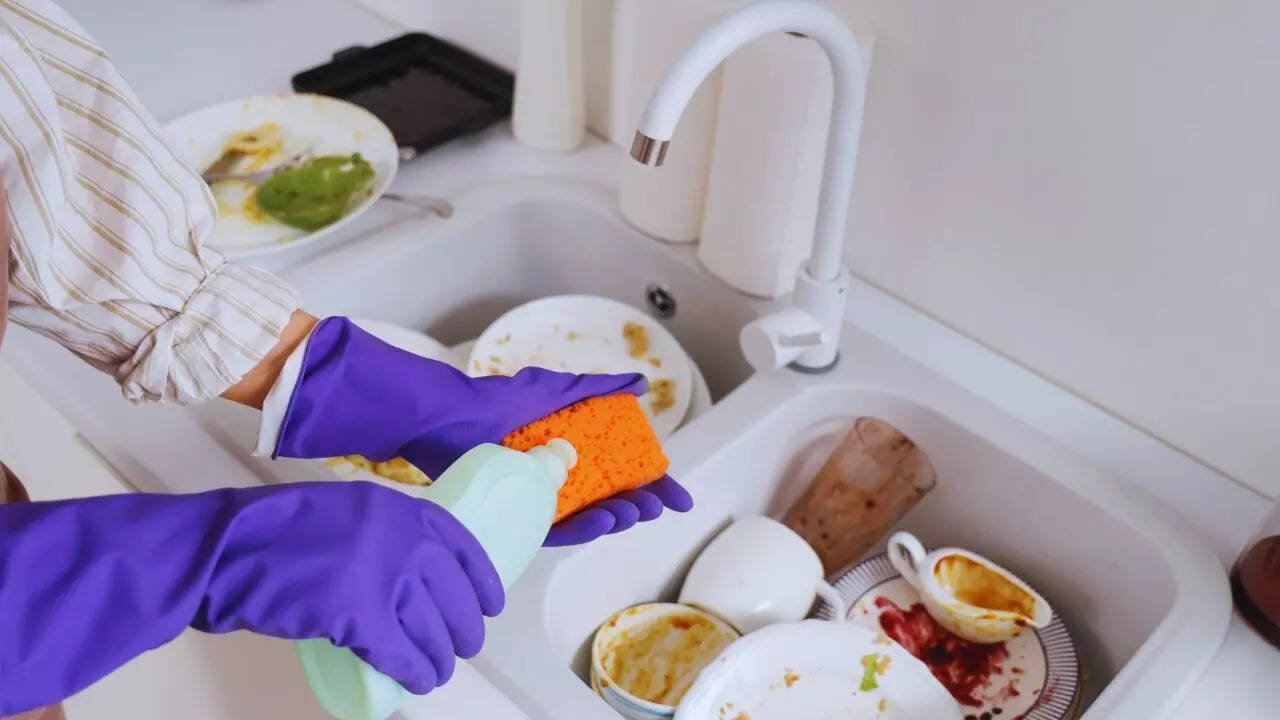
Among the most contaminated household items is the common kitchen sponge. Studies have repeatedly shown that kitchen sponges can harbor significantly more bacteria than toilet seats, with some containing up to 45 billion microbes per square centimeter. The porous structure of sponges provides ideal conditions for bacterial growth, and the damp environment further accelerates microbial reproduction.
Regular sanitizing methods can reduce contamination but are often insufficient to eliminate all harmful organisms. Healthcare professionals recommend replacing kitchen sponges every one to two weeks, microwaving them daily, or using alternative cleaning tools that are easier to disinfect thoroughly.
Electronic Devices: Digital Germ Reservoirs
Remote controls, smartphones, tablets, and other frequently touched electronic devices represent significant contamination risks in modern households. These items collect skin oils, saliva, and various biological residues from multiple users yet are rarely cleaned properly. Research has identified fecal bacteria and other harmful microorganisms on these devices due to their constant handling across different environments.
Electronic devices require specialized cleaning approaches that avoid damaging sensitive components. Manufacturers typically recommend using alcohol-based wipes or specialized cleaning solutions designed for electronic surfaces, with particular attention given to buttons, ports, and frequently touched areas.
Common Touch Points: Daily Contact Zones
Items that experience frequent human contact often accumulate substantial microbial loads. Doorknobs, light switches, faucet handles, and cabinet pulls serve as transmission points for various pathogens throughout the day. These high-touch surfaces create opportunities for cross-contamination between different family members and various parts of the home environment.
Establishing a regular disinfection routine for these frequently contacted items can dramatically reduce the spread of infectious diseases. Healthcare providers emphasize the importance of cleaning these surfaces daily, especially during cold and flu seasons or when household members are experiencing illness.
Effective Cleaning Strategies
Addressing these hidden contamination sources requires both proper technique and appropriate cleaning agents. Different materials require different approaches to avoid damage while effectively eliminating harmful microorganisms. Understanding these distinctions ensures effective cleaning without damaging household items.
For porous materials like sponges and certain fabrics, replacing items frequently may be more practical than attempting repeated decontamination. Non-porous surfaces generally respond well to disinfectant solutions, while delicate electronics require specialized cleaning products that won’t cause damage or malfunction.
Preventative Maintenance
Establishing consistent cleaning schedules represents the most effective approach to managing household microbial contamination. Creating a rotating cleaning calendar that addresses different items on appropriate schedules ensures comprehensive coverage while preventing contamination buildup.
Many healthcare professionals recommend implementing a “clean-as-you-go” philosophy, where family members wipe down high-contact surfaces after use. This approach significantly reduces the overall microbial load in the home environment and creates healthier living conditions for everyone.
Conclusion
Understanding the hidden contamination sources within our homes represents the first step toward creating healthier living environments. By recognizing which items require special attention and implementing appropriate cleaning protocols, families can significantly reduce their exposure to harmful microorganisms and promote better overall health.
The integration of proper cleaning techniques with consistent maintenance schedules creates a comprehensive approach to household hygiene that benefits all family members. While it may seem challenging to address every potential contamination source, focusing on the most significant contributors can produce meaningful improvements in home health and reduce the spread of infectious diseases.
