
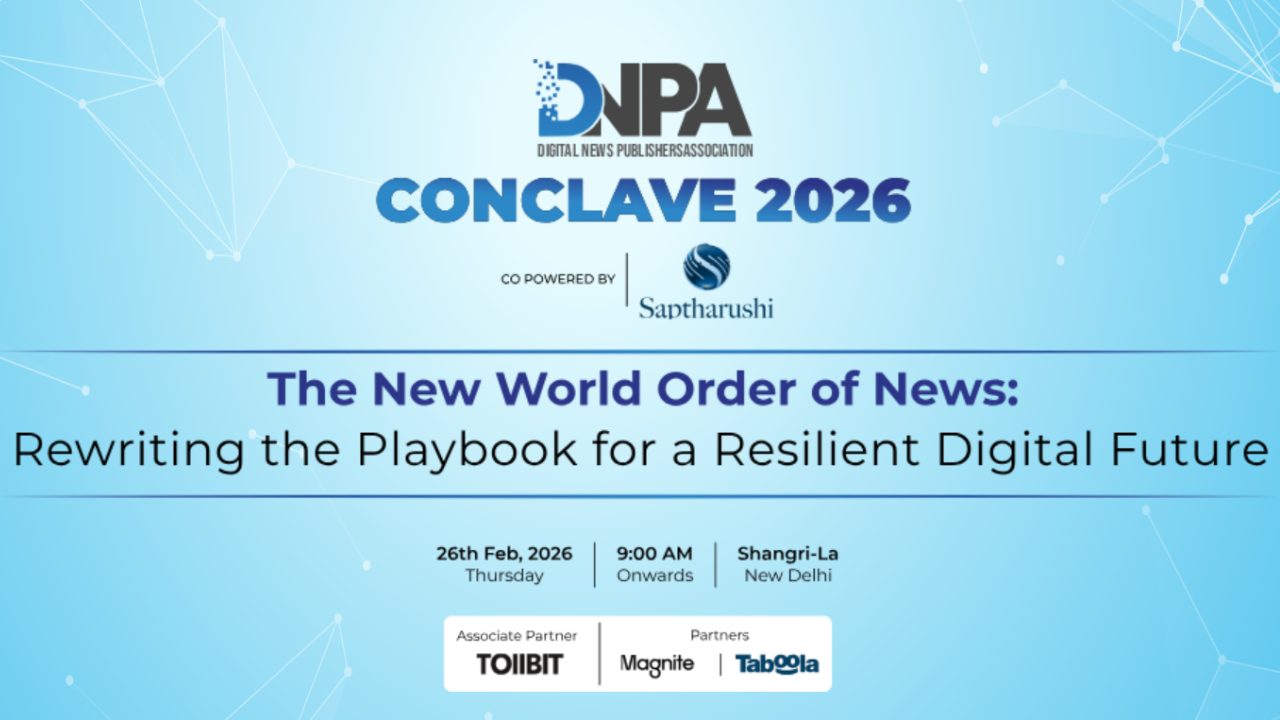
Trust and Credibility to Shape News Landscape in Next Decade
The future of journalism stands at a critical juncture as industry experts prepare to gather for a significant discussion on the foundational elements that will define news consumption and production in the coming years. As media continues to evolve in the digital age, the importance of maintaining trust and credibility has never been more paramount to the success of news organizations worldwide.
The Changing Media Landscape
The media industry has undergone dramatic transformations over the past decade, with technological advancements, changing consumer behaviors, and the rise of social media platforms reshaping how news is created, distributed, and consumed. These changes have presented both opportunities and challenges for traditional news outlets and emerging digital platforms alike.
As audiences become increasingly discerning about their news sources, the ability to establish and maintain trust has become the most valuable currency in journalism. Readers and viewers are no longer passive consumers but active participants who demand transparency, accuracy, and accountability from the organizations they turn to for information.
The proliferation of misinformation and disinformation online has further complicated the landscape, making it essential for legitimate news organizations to double down on ethical standards and verification processes. This environment underscores the need for meaningful discussions about how to preserve the integrity of journalism while adapting to new realities.
Importance of Trust in Modern Journalism
Trust serves as the bedrock of any healthy journalistic enterprise. When audiences trust their news sources, they are more likely to engage with content, share information, and support the organizations financially through subscriptions, donations, or other means. This trust is built consistently over time through accurate reporting, fair treatment of subjects, and adherence to ethical guidelines.
Credibility, meanwhile, encompasses the perceived reliability and expertise of a news organization. It is earned through demonstrable expertise, thorough fact-checking, consistent quality, and a commitment to serving the public interest rather than partisan or commercial agendas.
As the media landscape becomes increasingly fragmented, the ability to distinguish credible news sources from less reliable ones has become more challenging for consumers. This reality places additional responsibility on legitimate news organizations to maintain the highest standards while clearly communicating their commitment to journalistic excellence.
Looking Ahead: What to Expect
The discussions scheduled for the upcoming gathering are expected to address several key areas where trust and credibility will play decisive roles. These include the integration of artificial intelligence in news production, strategies for combating misinformation, evolving audience expectations, and innovative approaches to maintaining journalistic standards in real-time reporting environments.
Industry leaders will also examine how news organizations can adapt their business models to support sustainable operations while upholding the core principles of journalism. Finding the right balance between commercial viability and public service remains a central challenge for media enterprises worldwide.
As the decade progresses, the conversations and decisions made by media professionals will likely have far-reaching implications for the future of democratic societies, informed citizenship, and the role of journalism as a watchdog and public forum.
The conclave represents an important opportunity for stakeholders across the media ecosystem to collaborate on solutions that will help ensure that journalism continues to serve its essential function in society—providing accurate, reliable information that empowers citizens and strengthens democratic institutions.
