
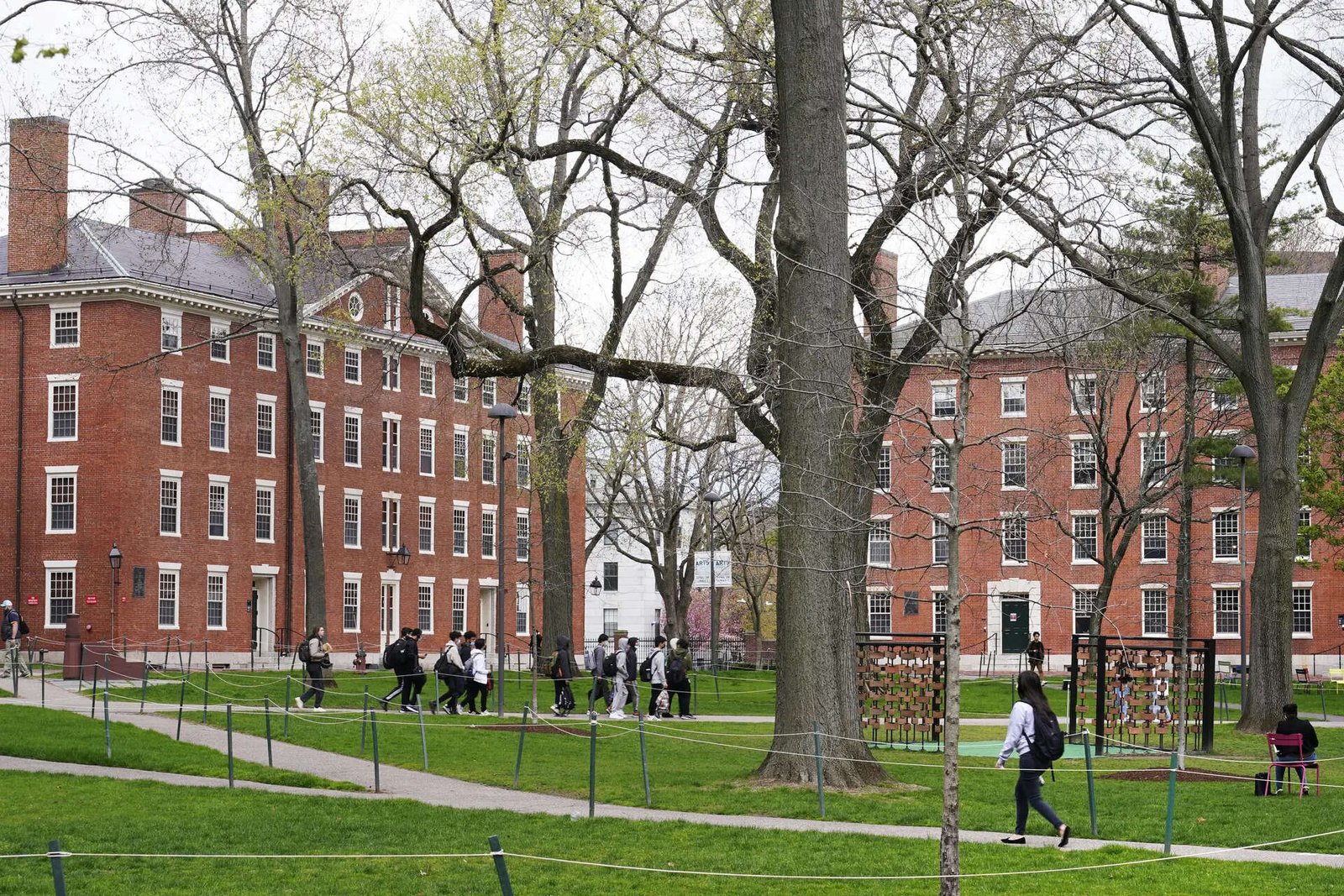
Harvard Students Face Unexpected Costs Despite Aid Expansion
Harvard University’s recent expansion of its financial aid program, designed to support families earning under $100,000 annually, has unexpectedly created financial challenges for some students. The policy, intended to make higher education more accessible, is now facing scrutiny as families encounter complications related to asset definitions and aid eligibility.
Financial Aid Policy Creates Unintended Consequences
The expanded financial aid program at Harvard College was implemented with the goal of reducing the financial burden on middle and lower-income families. However, implementation has revealed several issues that are affecting students’ ability to receive the full benefits promised by the policy.
One of the primary concerns revolves around how the college defines and evaluates family assets. Some families earning less than $100,000 are finding that their financial aid eligibility is being impacted by asset calculations that don’t align with their actual financial circumstances. This discrepancy has led to reduced aid packages, forcing students to seek alternative funding sources.
Impact on Student Finances
Students affected by these policy limitations are facing difficult financial decisions. Many have been compelled to take out additional loans to cover unexpected costs, while others have had to pay out-of-pocket for educational expenses that were anticipated to be covered by financial aid.
Beyond tuition and fees, the reduced aid packages are affecting students’ ability to access other essential benefits. This includes housing costs, meal plans, textbook expenses, and other educational resources that contribute to a comprehensive college experience. The financial strain is particularly challenging for students who come from backgrounds where even modest additional expenses represent significant burdens.
The situation has sparked discussions about the complexity of financial aid calculations and the potential need for clearer guidelines or revisions to the current policy framework.
University Response and Policy Clarification
Harvard College officials maintain that the financial aid program is functioning as intended. According to the university, the policy was designed with specific eligibility criteria and asset evaluation methods that are consistently applied across all applicant families.
The college emphasizes that the expanded aid program represents a significant commitment to making Harvard accessible to students from diverse economic backgrounds. However, they acknowledge that the implementation process may require ongoing refinement to address the concerns that have emerged.
University representatives have indicated that they are reviewing the specific cases where students have encountered unexpected costs, suggesting that there may be opportunities for policy adjustments in future iterations of the financial aid program.
Broader Implications for Higher Education
The challenges at Harvard highlight broader questions about financial aid policies across higher education institutions nationwide. As colleges and universities compete to attract talented students from diverse socioeconomic backgrounds, the complexity of financial aid calculations and potential unintended consequences become increasingly important considerations.
Education policy experts suggest that this situation underscores the need for greater transparency in financial aid processes and clearer communication about how eligibility is determined. Families and students need comprehensive information to make informed decisions about educational investments and financial planning.
Looking ahead, the experiences of Harvard students may serve as a case study for other institutions evaluating their own financial aid policies and seeking to balance accessibility with program sustainability.
Future Directions and Solutions
As the discussion continues, several potential solutions have been proposed to address the current challenges. These include revisiting asset evaluation methods, providing clearer guidance to families about financial aid eligibility, and establishing additional support mechanisms for students who encounter unexpected costs.
The ultimate goal remains ensuring that financial barriers do not prevent qualified students from accessing higher education opportunities. Harvard’s experience, while highlighting current limitations, also provides valuable insights for improving financial aid programs across the educational landscape.
For now, affected students and their families continue to navigate the complexities of the financial aid system, seeking solutions that will allow them to fully benefit from the educational opportunities at Harvard College.
