
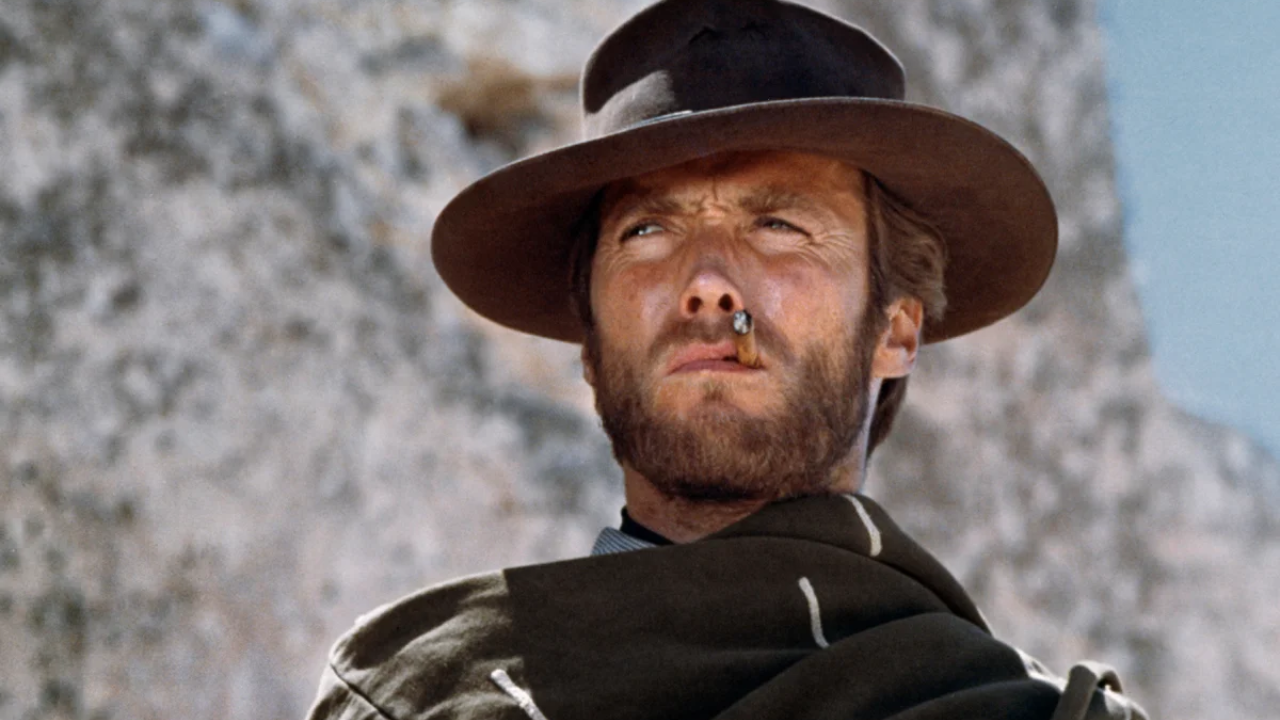
Clint Eastwood on Aging: Finding Freedom After 95
A Hollywood Legend’s Perspective on Maturity
At 95 years old, legendary actor and director Clint Eastwood offers profound insights on the journey of aging, sharing how decades of life experience have led him to a place of remarkable freedom from self-doubt. The iconic figure, known for his tough-guy persona and remarkable longevity in entertainment, reflects on how maturity brings an unexpected liberation that allows for bolder life choices and authentic self-expression.
The Evolution of Self-Confidence
Eastwood’s reflection on aging reveals a fascinating psychological transformation that many individuals experience as they move through life’s stages. Rather than being constrained by the limitations that often accompany advanced age, the acclaimed filmmaker and actor has discovered that aging brings a unique kind of freedom—one that liberates individuals from the paralyzing effects of second-guessing and self-criticism.
“Doubt has finally been cast aside,” Eastwood observes, suggesting that after nearly a century of living, the uncertainty that plagued earlier years has been replaced by a quiet confidence. This evolution represents not merely the absence of fear, but the presence of wisdom that comes with having navigated countless life challenges and made innumerable decisions.
The Psychology of Aging and Freedom
Psychologists note that Eastwood’s perspective aligns with research showing how emotional regulation improves with age. The decades-long journey of facing consequences and learning from mistakes naturally leads to greater self-assurance. What Eastwood describes as “freedom” can be understood as the psychological liberation that occurs when individuals recognize their own capacity to handle whatever life throws their way.
This freedom manifests in several key ways:
- Reduced fear of judgment from others
- Greater willingness to take calculated risks
- Enhanced ability to make decisions independently
- Decreased anxiety about future outcomes
Artistic Expression and Maturity
As both an actor and director, Eastwood’s career spans over six decades, giving him a unique vantage point on how creative expression evolves with age. His recent work demonstrates the bold choices that come with this newfound freedom, as he continues to challenge himself artistically without the constraints that might have limited his earlier work.
The entertainment industry often marginalizes older artists, yet Eastwood stands as a testament to how maturity can actually enhance creative output. His ability to make bold artistic decisions stems directly from the confidence that comes with having established oneself and having less to prove to others.
Life Lessons from a Hollywood Icon
Eastwood’s perspective offers valuable lessons for individuals of all ages, not just those approaching his advanced years. The idea that doubt can be “cast aside” suggests that confidence is not something to be achieved once and for all, but rather a quality that develops through experience, reflection, and the willingness to embrace uncertainty.
His insights challenge the notion that aging necessarily means decline. Instead, Eastwood presents maturity as a period of unprecedented freedom—one where the accumulated wisdom of decades allows for more authentic living and greater personal satisfaction.
The Burden of Self-Doubt
Throughout much of his career, Eastwood, like many successful individuals, likely faced the burden of self-doubt that accompanies high achievement. The pressure to constantly prove oneself, to meet expectations, and to maintain relevance can create significant psychological stress that limits personal and professional growth.
What Eastwood describes as the “freedom” of maturity represents the shedding of this burden. Without the need for external validation or the fear of failure, individuals are free to pursue what truly matters to them, make choices based on personal values rather than external pressures, and live with greater authenticity.
Cultural Perceptions of Aging
In a youth-obsessed culture, Eastwood’s perspective on aging serves as an important counter-narrative. Rather than viewing aging as a process of loss, he presents it as a journey of gaining something invaluable—freedom from the constraints that limit younger individuals.
This shift in perspective can be particularly powerful for those who dread getting older. By focusing on the liberation that maturity brings rather than the limitations it might impose, individuals can approach aging with anticipation rather than apprehension.
The Practical Application of Freedom
The freedom Eastwood describes isn’t merely abstract—it has practical implications for daily living. When freed from self-doubt, individuals are more likely to:
>strengthen personal relationships by being more authentic >engage in community and civic activities
These practical benefits demonstrate how the psychological freedom of maturity translates into enhanced quality of life and greater personal fulfillment.
Conclusion: Embracing the Gift of Maturity
Clint Eastwood’s reflection on aging at 95 offers a powerful reminder that maturity brings unique gifts that younger individuals may not yet appreciate. The freedom from self-doubt that he describes represents not an end to challenges, but a different way of approaching them—one with greater confidence, wisdom, and authenticity.
As society continues to grapple with issues of ageism and the changing nature of work and creativity, Eastwood’s perspective serves as an important counterpoint to narratives that marginalize older adults. His experience suggests that rather than being a period of decline, later life can be one of unprecedented freedom and possibility.
For those approaching middle age or older, Eastwood’s insights offer hope and inspiration. They suggest that the journey of aging, while accompanied by certain physical changes, also brings profound psychological benefits that can enhance every aspect of life. The freedom he describes—one that comes from casting aside doubt and embracing confidence—represents perhaps the greatest gift that maturity has to offer.
