
Trump Responds to Supreme Court Ruling on Tariff Authority
The recent Supreme Court decision regarding presidential tariff powers has generated significant political and economic discussion, with former President Donald Trump offering strong criticism of the ruling that limits executive authority in international trade matters.
Presidential Response to Legal Decision
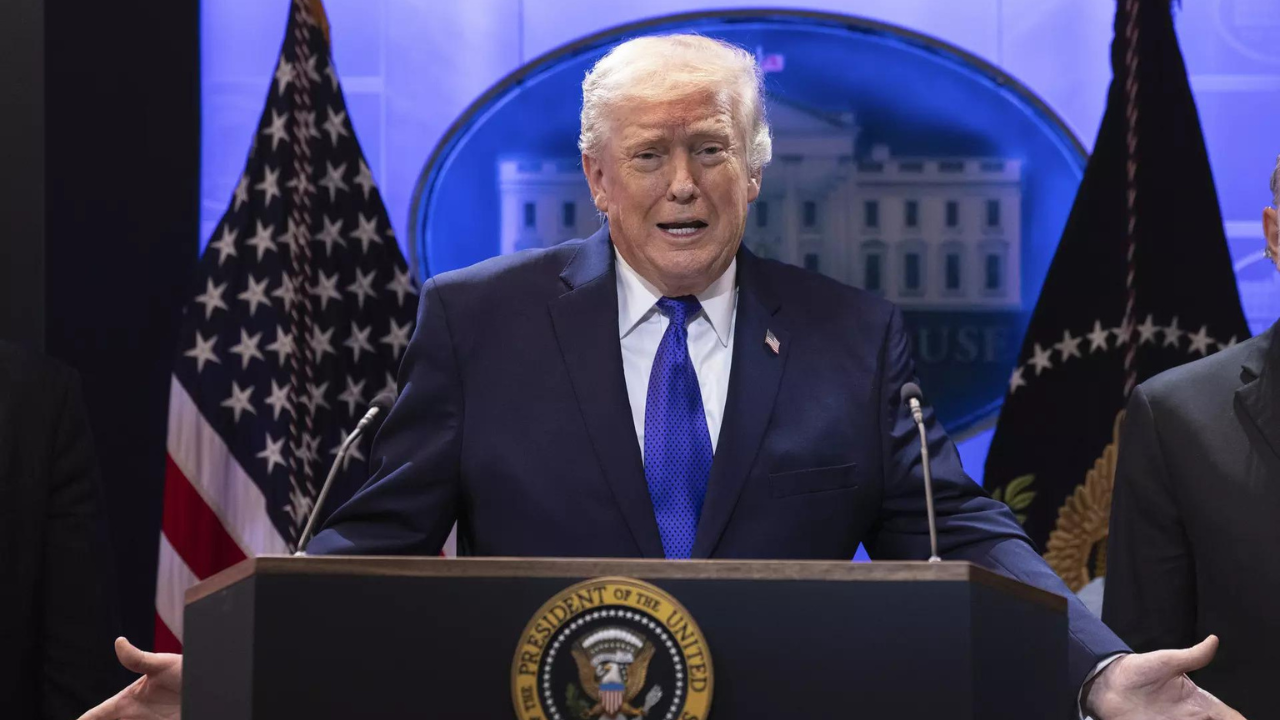
Following the Supreme Court’s ruling that struck down aspects of Trump’s global tariff policies, the former president characterized the decision as “ridiculous” and expressed strong disagreement with the court’s interpretation of presidential powers in trade matters. Trump indicated his determination to pursue alternative approaches to implement tariff measures despite the legal setback.
The Supreme Court decision represents a significant limitation on the scope of executive authority in trade policy, potentially reshaping how future presidents can approach international trade negotiations and tariff implementation. This ruling could establish important precedents for the balance of power between the executive branch and the judiciary in economic policy matters.
Implications for Global Trade
Market analysts suggest that Trump’s continued advocacy for tariff measures, despite the Supreme Court’s decision, introduces additional uncertainty into global trade relationships. The ongoing debate over presidential authority in trade policy may affect business planning, investment decisions, and international trade negotiations in the coming months.
Legal experts note that the Supreme Court’s decision specifically addresses the limits of executive authority in imposing certain types of tariffs, rather than eliminating presidential power entirely in trade matters. The ruling appears to focus on specific procedural and constitutional considerations rather than broadly restricting the president’s ability to engage in trade policy initiatives.
Political and Economic Ramifications
The controversy surrounding tariff authority reflects broader ongoing discussions about the appropriate scope of presidential powers in economic matters. Supporters of strong executive action in trade policy may view the Supreme Court decision as an unnecessary limitation on presidential authority, while advocates for constitutional checks and balances may see it as an appropriate judicial safeguard.
International trade partners have expressed concern about potential policy shifts that could affect existing trade agreements and market stability. The uncertainty surrounding future tariff policies may lead to increased hedging strategies among businesses and potential adjustments in supply chain management to accommodate various possible policy outcomes.
Future Policy Directions
Trump’s statement about pursuing “alternative measures” suggests that the debate over tariff authority is likely to continue through potential legislative initiatives or executive actions that operate within the boundaries established by the Supreme Court’s decision. The political discourse around trade policy remains active as stakeholders consider various approaches to international economic relations.
The Supreme Court’s ruling joins other recent judicial decisions that examine the limits of executive authority, reflecting an ongoing constitutional dialogue about the separation of powers and the appropriate scope of presidential discretion in policy matters. The legal reasoning behind this decision may influence future cases involving executive power across different policy areas.
As the political and legal discussions continue, the implications for global trade relations and domestic economic policy remain significant subjects of analysis and debate among policymakers, business leaders, and legal scholars concerned with the balance of governmental authority in economic matters.
