
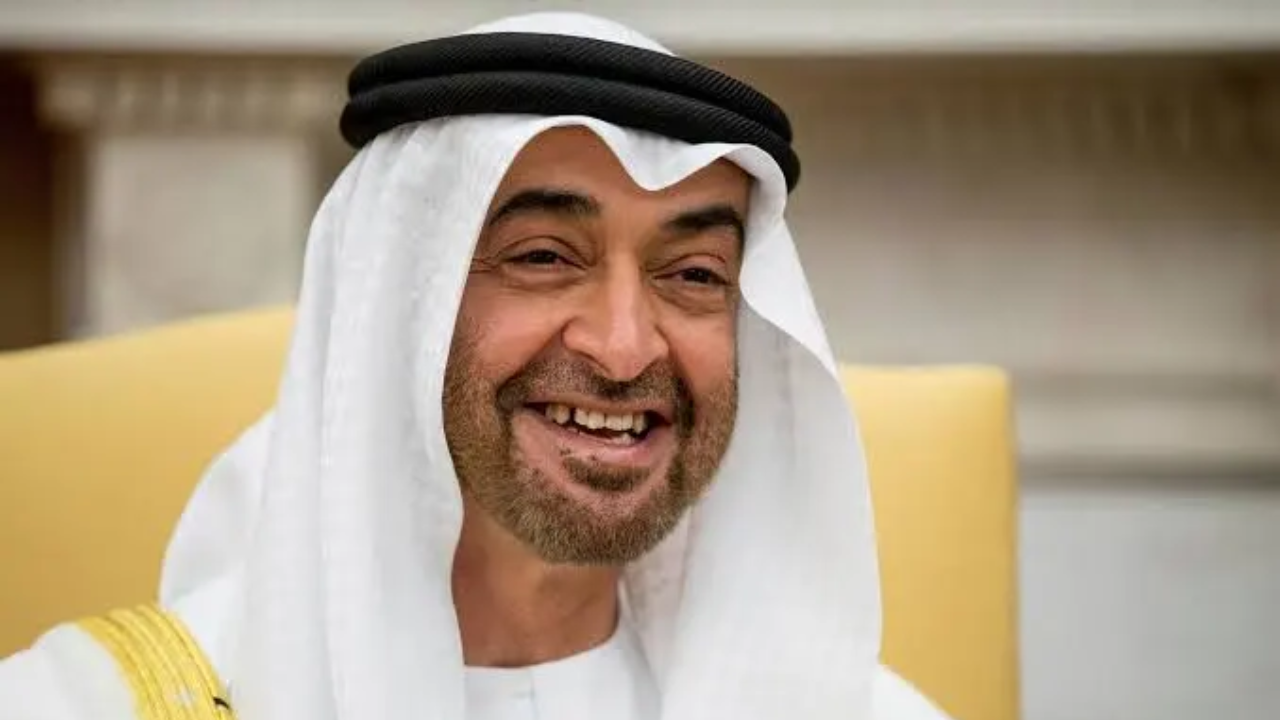
UAE Ramadan: 1,440 Inmates Nationwide Released
The United Arab Emirates has demonstrated its commitment to humanitarian values through a comprehensive prisoner release initiative coinciding with the holy month of Ramadan 2026. In a significant move that reflects the nation’s traditional emphasis on compassion and second chances, President Sheikh Mohamed bin Zayed Al Nahyan has authorized the nationwide release of 1,440 inmates, with additional provisions to settle their outstanding financial penalties.
Humanitarian Gesture During Holy Month
This remarkable initiative comes at a particularly meaningful time as Muslims across the UAE and worldwide observe Ramadan, a month characterized by spiritual reflection, charity, and forgiveness. The decision to release inmates during this period aligns with Islamic principles of mercy and the spirit of giving that defines the holy month.
The comprehensive nature of this release program addresses not only the freedom of inmates but also their financial obligations, acknowledging that economic barriers often hinder successful reintegration into society. By settling financial penalties, the UAE government is removing a significant obstacle that could otherwise prevent former inmates from rebuilding their lives.
Regional Coordination and Selection Criteria
Beyond the nationwide initiative, individual emirates have implemented their own release programs tailored to local circumstances. In Ajman, 134 inmates have been granted freedom, while Fujairah has approved the release of 125 individuals. The selection process in Fujairah particularly emphasizes good conduct, demonstrating the importance of rehabilitation and positive behavioral change in determining eligibility for release.
This regional coordination highlights the UAE’s sophisticated approach to criminal justice reform, balancing nationwide humanitarian initiatives with localized programs that address specific community needs and circumstances.
Impact on Families and Communities
The ripple effects of these releases extend far beyond the individuals who regain their freedom. Families who have endured separation will experience emotional reunification, while communities benefit from reduced incarceration rates and the potential economic contributions of former inmates who can now pursue legitimate livelihoods.
Research consistently shows that successful reintegration programs significantly reduce recidivism rates, suggesting that the UAE’s comprehensive approach—addressing both freedom and financial obligations—may yield long-term benefits for society as a whole.
Long-term Implications for Criminal Justice
This initiative represents more than a temporary gesture during Ramadan; it reflects a broader evolution in the UAE’s approach to criminal justice, with increased emphasis on rehabilitation, second chances, and social reintegration. By addressing both liberty and economic barriers, the program acknowledges that true reform requires addressing multiple dimensions of an individual’s circumstances.
The timing of these releases during Ramadan also underscores the UAE’s commitment to aligning its legal and social policies with Islamic values, particularly the concepts of mercy, forgiveness, and community support that are central to the holy month.
International Context
While prisoner pardons during religious observances are not uncommon in many countries, the UAE’s program stands out for its scale and comprehensive nature. The combination of nationwide coordination with regional specificity, coupled with the inclusion of financial penalty settlements, creates a model that other nations might consider when implementing similar humanitarian initiatives.
As the UAE continues to develop its criminal justice system, these types of programs demonstrate a progressive approach that balances justice with compassion, security with mercy, and punishment with opportunity for reform.
Looking Forward
The release of 1,440 inmates during Ramadan 2026 represents a significant milestone in the UAE’s ongoing criminal justice reform efforts. For the individuals gaining their freedom, it offers the chance to start anew, free from both incarceration and financial burdens that might otherwise hinder their reintegration.
As these former inmates return to their communities, the success of their reintegration will depend on various factors, including support services, employment opportunities, and the attitudes of society. The UAE’s comprehensive approach suggests an awareness of these complexities and a commitment to creating conditions conducive to successful rehabilitation.
In the broader context, this initiative reinforces the UAE’s identity as a nation that combines modern governance with traditional values, demonstrating that progress and compassion can indeed go hand in hand.
As Ramadan continues, the release of these inmates serves as a powerful reminder of the transformative potential of mercy and the importance of giving individuals the opportunity to contribute positively to society.
