
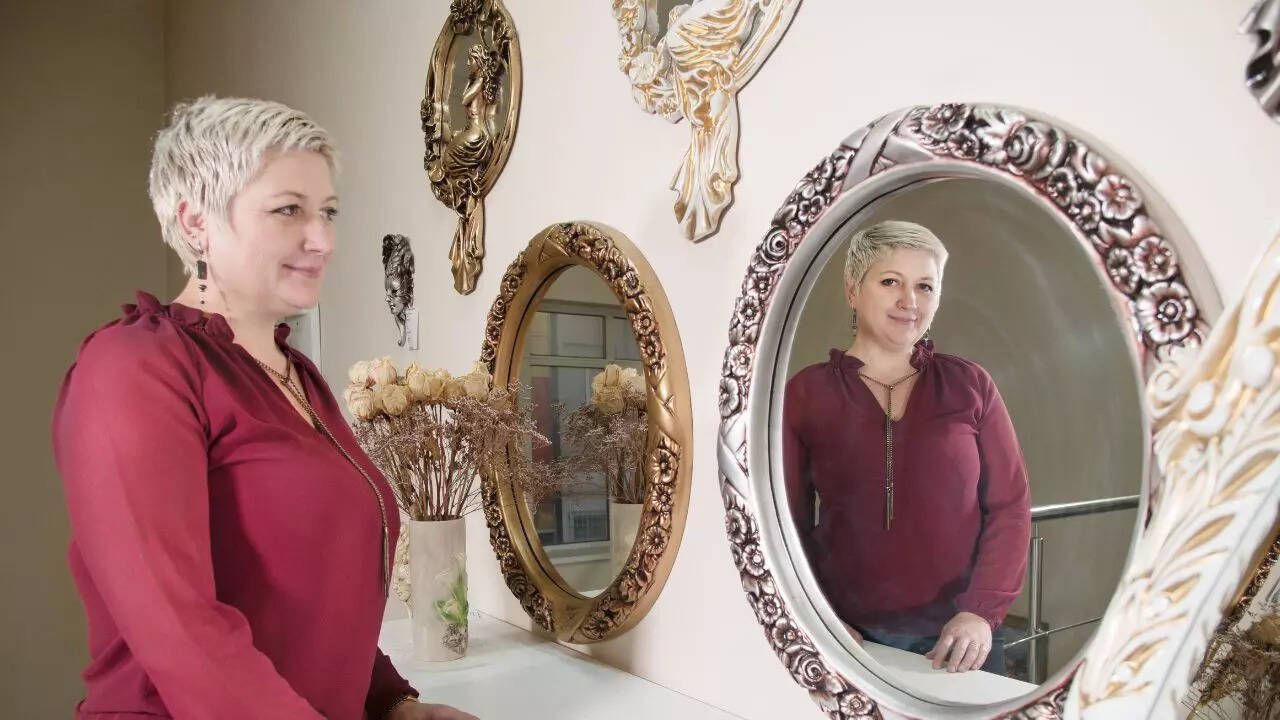
Feng Shui Mirror Placement: Enhancing Home Harmony
The ancient practice of Feng Shui has long recognized mirrors as more than mere reflective surfaces. These versatile objects serve as powerful instruments for manipulating energy flow within living spaces, capable of transforming the atmosphere of any home when positioned with intention and wisdom.
Understanding the Power of Mirrors in Feng Shui
In traditional Chinese philosophy, mirrors function as energetic amplifiers that can either enhance beneficial chi or reflect undesirable energy throughout a residence. The strategic placement of mirrors represents one of the most accessible yet profound techniques available to modern practitioners seeking to create environments of balance and prosperity.
Key Principles for Mirror Placement
When considering optimal mirror positioning, several fundamental principles should guide your decisions. Mirrors placed near entryways welcome positive energy into the home while simultaneously preventing stagnation. In living areas, they can expand perceived space and amplify natural light, creating an atmosphere of openness and vitality.
Room-Specific Mirror Guidelines
Entryways and Foyers
The entrance to your home represents the mouth of chi, making it an ideal location for mirror placement. Positioning a mirror here allows the reflection of positive energy as it enters your living space while simultaneously providing practical functionality for guests. However, avoid placing mirrors directly facing the front door, as this may energetically reflect opportunities away from the household.
Living Areas and Common Spaces
In shared living spaces, mirrors can serve multiple purposes when thoughtfully positioned. Placing them opposite windows captures and distributes natural light throughout the room, enhancing both the energetic and physical environment. Wall mirrors positioned to reflect beautiful artwork or natural elements can double the positive impact of these aesthetic features.
Bedroom Considerations
The bedroom requires special attention when implementing mirror placements, as this space directly impacts rest and rejuvenation. Mirrors should not directly face the bed, as this can create energetic disturbance and potentially disrupt sleep patterns. Instead, position mirrors on adjacent walls or within closet doors to maintain peaceful energy flow while still benefiting from reflective properties.
Dining Room Enhancement
In dining spaces, mirrors can symbolically multiply abundance and prosperity. Positioning a mirror to reflect dining tables and food displays creates an energetic effect of doubling resources, making this particularly beneficial for families seeking to enhance their financial well-being and overall sense of sufficiency.
Kitchen and Bathroom Applications
These functional spaces each present unique opportunities for mirror placement. In kitchens, mirrors can help maintain positive energy flow while also providing practical benefits for cooking and food preparation. Bathrooms, being spaces associated with cleansing and renewal, benefit from mirrors that support self-care practices while ensuring proper ventilation and energy circulation.
Avoiding Common Mirror Placement Pitfalls
While mirrors offer numerous benefits, improper placement can inadvertently create energetic challenges. Avoid positioning mirrors to reflect clutter, wastebaskets, or bathrooms, as these reflections may amplify negative energy patterns. Additionally, be mindful of placing mirrors where they might create disorienting visual effects or reflective glare that interferes with daily activities.
Conclusion: Creating Energetic Harmony
The art of mirror placement in Feng Shui represents a delicate balance between practical functionality and energetic awareness. By understanding the profound impact these reflective surfaces can have on home environments, practitioners can create spaces that not only serve practical needs but also nurture overall well-being, prosperity, and harmony.
Through thoughtful mirror positioning, homeowners can transform their living spaces into energetic sanctuaries that support health, abundance, and positive relationships, embodying the timeless wisdom of this ancient practice in contemporary settings.
