
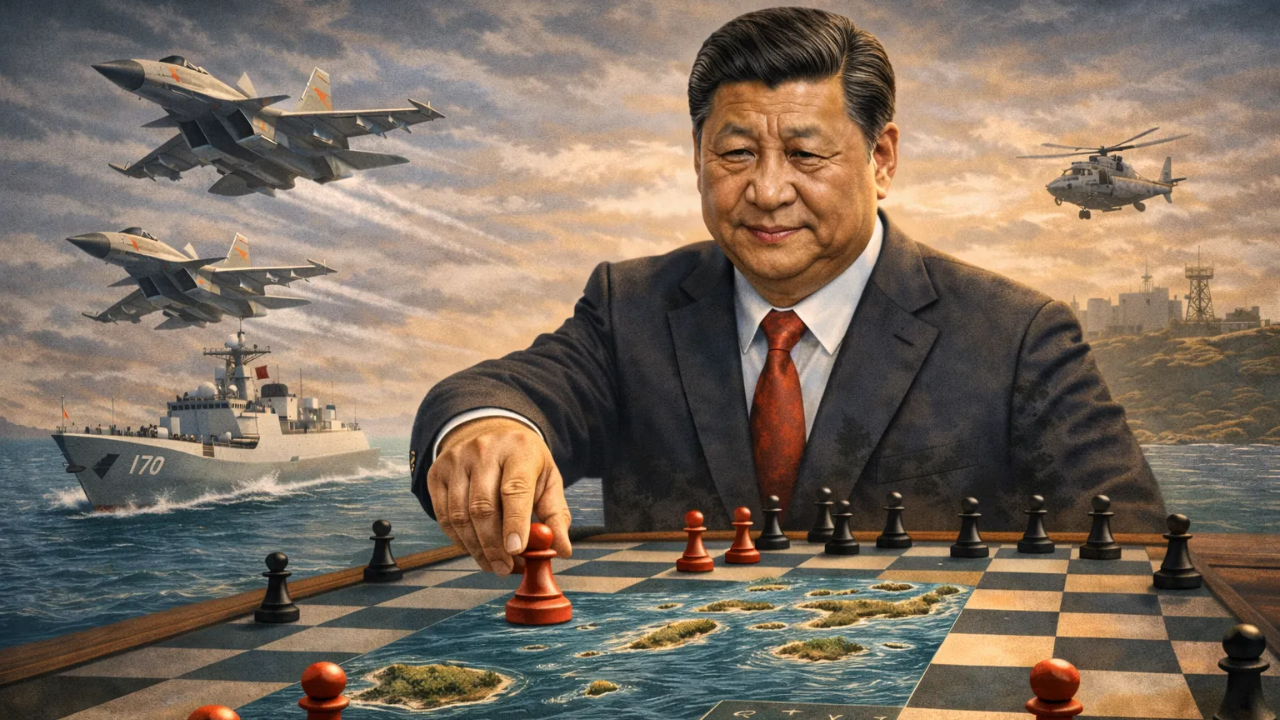
China’s Activities Draw International Attention in South China Sea
BEIJING, November 15, 2023 – China’s ongoing activities in the South China Sea continue to attract international scrutiny as maritime tensions persist in the strategically important region.
The South China Sea has become a focal point of regional attention due to competing territorial claims and increased maritime presence by various nations. China maintains extensive claims over most of the waterway, while other countries in the region have overlapping territorial assertions.
Naval and coast guard vessels from multiple countries regularly patrol the waters, which serve as critical shipping lanes and contain significant fishing grounds. The area is also believed to hold substantial natural resources, including potential oil and gas reserves.
International maritime law has been a key reference point in discussions about the region, with various nations citing different legal frameworks to support their positions. The United Nations Convention on the Law of the Sea (UNCLOS) has frequently been invoked in diplomatic exchanges regarding territorial rights.
Diplomatic efforts to address the situation have included bilateral discussions and multilateral forums. Regional organizations have attempted to establish mechanisms for managing disputes and preventing escalation of tensions.
Civilian activities in the area have also drawn attention, including infrastructure development projects on disputed land features. These activities have been documented by various international monitoring organizations and research institutions.
Maritime safety and freedom of navigation remain key concerns for international shipping interests. Approximately one-third of global maritime trade passes through the South China Sea, making its stability crucial to global supply chains.
The regional security environment continues to evolve as various nations maintain their presence in the area. Military exercises, naval patrols, and surveillance activities have become more frequent in recent years.
International organizations have called for peaceful resolution of disputes and adherence to established diplomatic norms. The Association of Southeast Asian Nations (ASEAN) has worked on frameworks to promote dialogue and cooperation among claimant states.
Economic development in the region continues alongside the geopolitical tensions, with fishing communities and commercial vessels operating within the contested waters. The balance between economic interests and territorial claims remains a complex challenge for regional stakeholders.
Maritime research institutions continue to monitor environmental conditions and fishing stocks in the area, noting changes that may affect long-term sustainability and regional food security.
The situation remains dynamic as diplomatic engagements, maritime activities, and infrastructure development continue to shape the geopolitical landscape of this strategically important waterway.
