
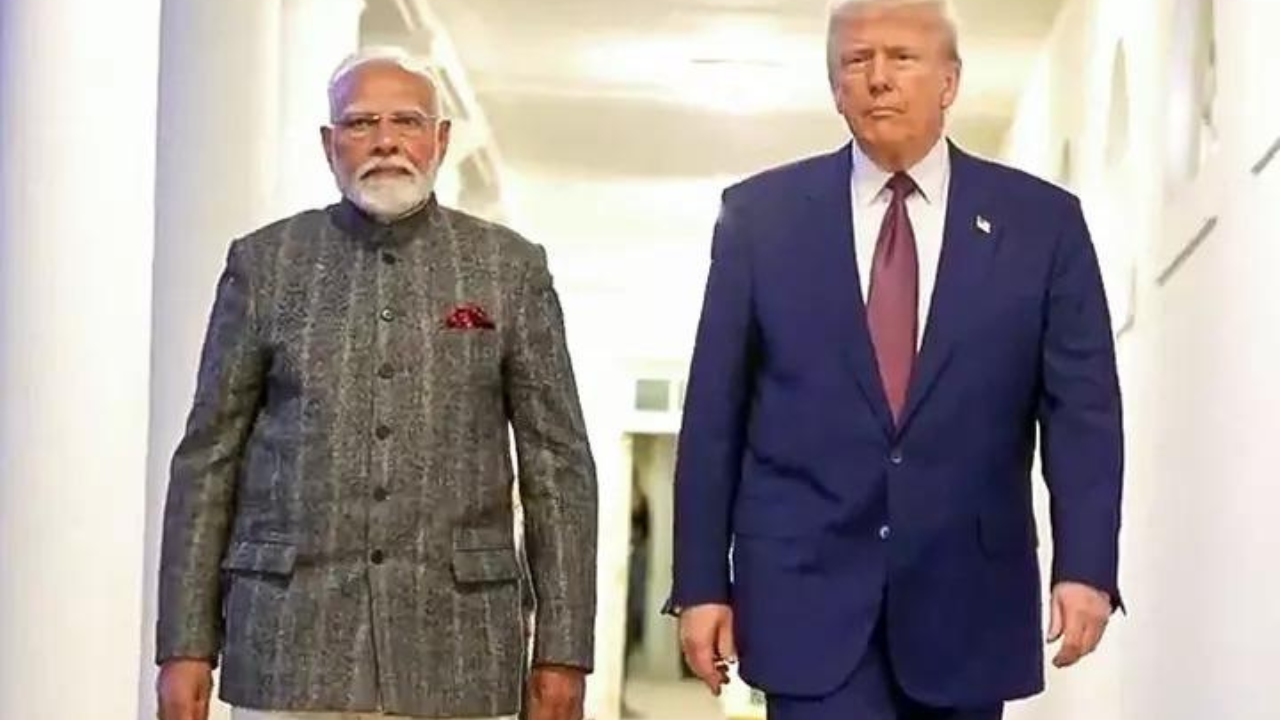
Trump Outlines Terms for India Trade Agreement
The United States has presented specific conditions for potential trade negotiations with India, with former President Donald Trump outlining key requirements that would shape any future bilateral trade relationship. The proposed terms focus on energy tariffs and market access as foundational elements for economic cooperation between the two nations.
Key Trade Conditions
According to recent statements, Trump has emphasized the importance of eliminating tariffs on Russian oil as a prerequisite for substantive trade discussions. This stance reflects broader geopolitical considerations and energy security priorities that would influence the negotiating framework. The former president’s remarks suggest a complex approach to trade relations that balances economic interests with strategic positioning.
Energy Market Access
The energy sector appears to be a central focus in these potential trade discussions. By linking trade agreement progress to specific energy policies, the United States appears to be seeking leverage in negotiations while addressing concerns about global energy markets and supply chain security. This approach could reshape how energy products flow between the two countries and impact broader economic cooperation.
Trade Liberalization Framework
Beyond energy considerations, the proposed conditions suggest a broader framework for trade liberalization that could affect multiple sectors of the Indian economy. The emphasis on tariff reductions and market access indicates an attempt to create more favorable conditions for American businesses operating in or seeking to enter the Indian market. This approach would require careful balancing to ensure mutual economic benefits.
Economic Implications
The potential trade agreement carries significant economic implications for both nations. For India, securing favorable trade terms could boost export opportunities and attract foreign investment, while the United States might gain improved market access for its goods and services. However, the specific conditions being discussed could require substantial policy adjustments from both countries to meet the proposed requirements.
Strategic Considerations
Beyond immediate economic impacts, any trade agreement would likely influence broader strategic relationships between the United States and India. The terms being considered could affect diplomatic relations, regional stability, and cooperation on international issues. This suggests that the negotiations would need to address not only economic but also geopolitical dimensions of the bilateral relationship.
Industry Response
Various industry sectors in both countries would be affected by the terms of any potential trade agreement. Businesses would need to assess how the proposed conditions might impact their operations, supply chains, and competitive positioning. The anticipation of regulatory changes and market adjustments could influence investment decisions and strategic planning across multiple industries.
Future Negotiations
The coming months will likely see intensified discussions as both countries evaluate the proposed conditions and assess their willingness to compromise on key issues. The success of any trade agreement would depend on finding common ground that addresses core concerns while creating opportunities for mutual economic growth and cooperation.
As negotiations potentially move forward, stakeholders from government, business, and civil society will need to engage in constructive dialogue to ensure that any resulting agreement serves the broader interests of both nations and their citizens. The path to a comprehensive trade deal remains complex, but the initial terms being discussed provide a framework for future discussions.
Conclusion
The conditions presented by Trump represent a significant step in defining the parameters for potential India-US trade relations. While the specifics will require careful negotiation and compromise, the emphasis on energy policy and market access suggests a focus on practical economic considerations. As both countries navigate these discussions, the outcome could reshape trade dynamics and economic cooperation between the United States and India for years to come.
