
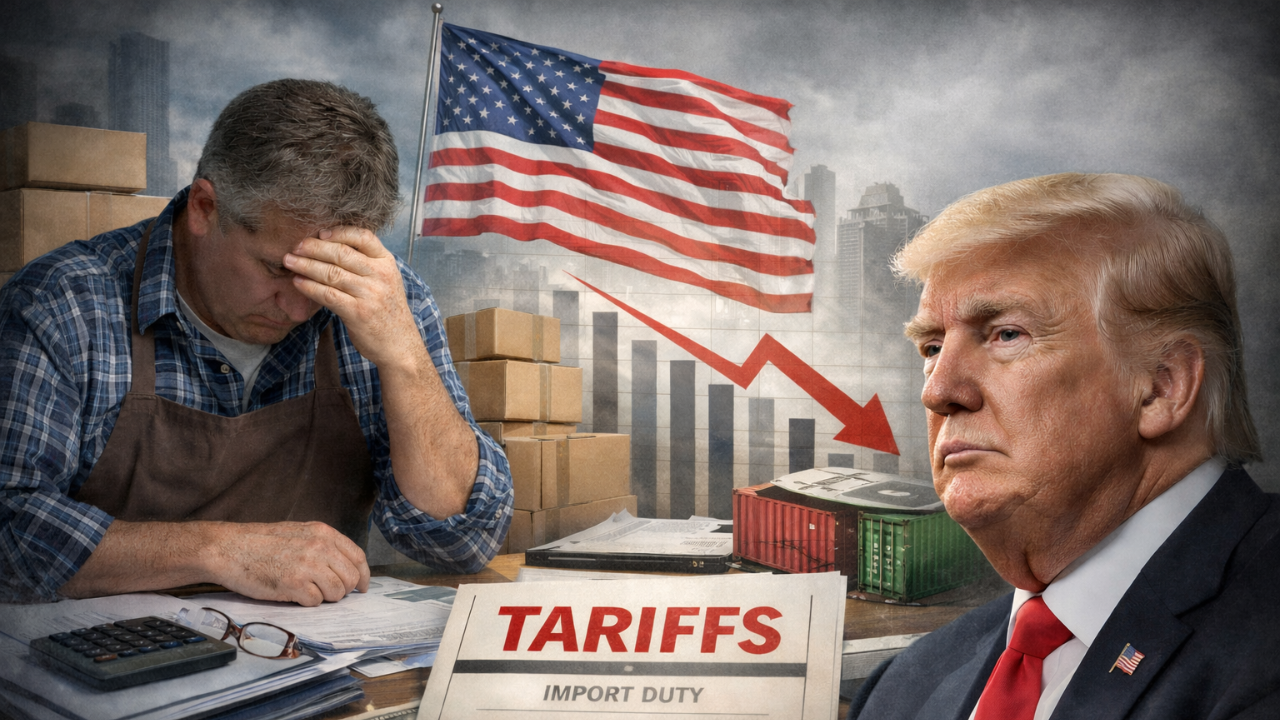
Study Reveals Tariff Costs Primarily Impact American Businesses
Recent economic analysis has brought new attention to the complex effects of trade tariffs on the domestic business landscape. According to a comprehensive study by financial experts, the economic burden of tariffs falls predominantly on American companies rather than foreign producers as commonly believed.
Understanding Tariff Economics
Trade tariffs have become a significant topic in economic policy discussions, with debates continuing about their true impact on various sectors. The latest research challenges conventional wisdom by demonstrating how these trade policies affect domestic business operations and consumer markets.
Economic analysts have long studied the distributional effects of trade barriers, but this particular study provides fresh insights into who ultimately bears the financial consequences when tariffs are implemented. The findings suggest a more complex picture than initially understood.
Research Methodology and Findings
The research employed sophisticated economic modeling techniques to analyze tariff impacts across multiple industries. By examining price transmission mechanisms and market responses, the study was able to trace the flow of tariff-related costs through the economy.
Key findings indicate that American businesses experience significant cost increases due to tariff implementation. These costs manifest in various forms, including higher production expenses, increased operational overhead, and reduced profit margins. The research suggests that foreign producers often find ways to mitigate tariff impacts through various market strategies.
Industry-Specific Impacts
Different sectors experience varying degrees of tariff-related pressure. The study identified several industries particularly vulnerable to cost increases, including manufacturing, retail, and transportation sectors. These industries often face multiple layers of tariff-related expenses that ultimately affect their bottom line.
Consumer goods manufacturers, for instance, frequently pass increased costs to end consumers, creating a ripple effect throughout the economy. Meanwhile, raw material suppliers and component manufacturers face direct cost increases that impact their competitiveness in both domestic and international markets.
Market Adaptation Strategies
The research also highlights how businesses attempt to adapt to tariff environments. Companies implement various strategies including supply chain restructuring, cost-cutting measures, and price adjustments to maintain profitability in the face of increased tariffs.
Some businesses explore alternative sourcing options to reduce tariff exposure, while others invest in domestic production capabilities. These adaptation efforts often come with their own costs and challenges, further complicating the economic impact assessment.
Policy Implications
The findings of this study have important implications for trade policy discussions. Understanding that tariffs primarily affect domestic businesses rather than foreign producers suggests a need for more nuanced approaches to trade policy formulation.
Policymakers may need to consider additional support mechanisms for businesses that bear the brunt of tariff implementation. This could include targeted assistance programs, tax incentives, or other policy tools designed to help domestic companies navigate the challenges of increased trade barriers.
Long-Term Economic Considerations
The study also raises questions about the long-term economic effects of sustained tariff policies. Businesses operating under constant tariff uncertainty may face challenges in planning, investment, and growth strategies. The cumulative impact of these factors could have significant implications for overall economic productivity and competitiveness.
Moreover, the research suggests that the economic distortions created by tariffs may lead to inefficiencies in resource allocation and market functioning. These factors contribute to the complex economic landscape that businesses must navigate in tariff-influenced markets.
Conclusion
The comprehensive analysis provides valuable insights into the true distributional effects of tariffs on the American business landscape. By demonstrating that domestic businesses bear the primary economic burden, the study contributes to more informed policy discussions and business decision-making in the realm of international trade.
As trade policies continue to evolve, understanding these economic dynamics becomes increasingly important for businesses, policymakers, and consumers alike. The research underscores the need for careful consideration of tariff impacts across all levels of the economy.
