
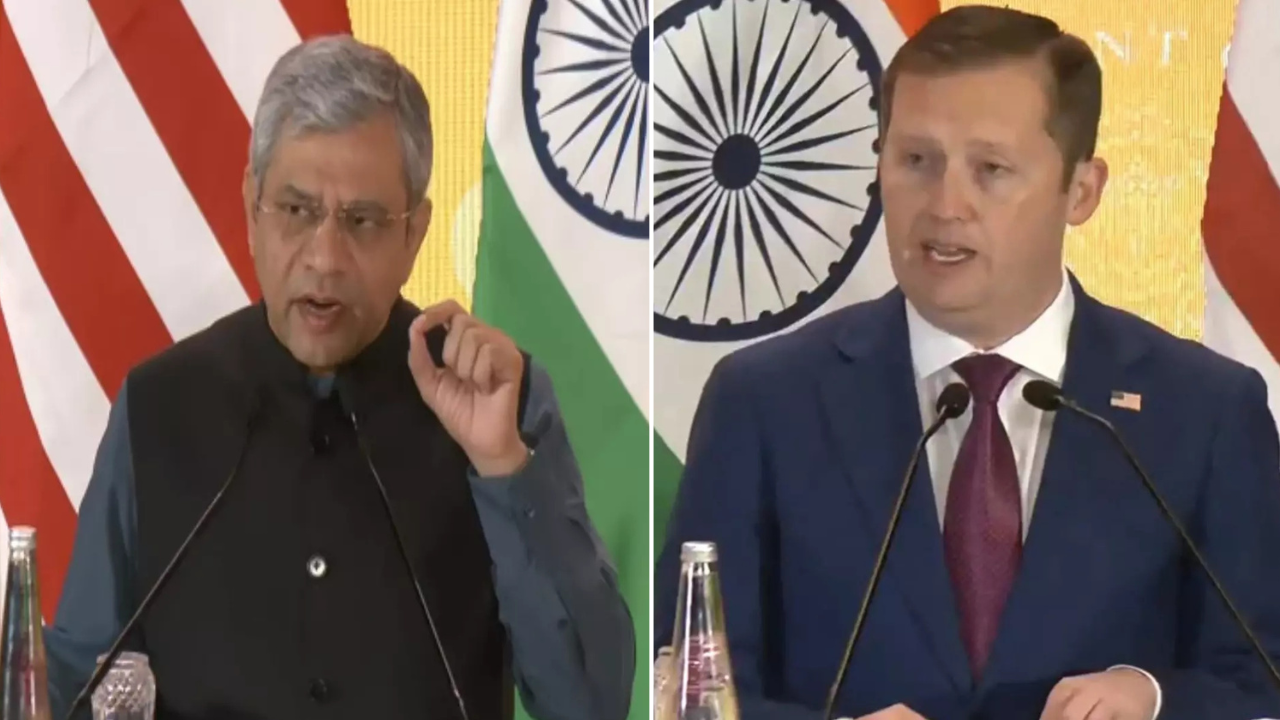
India-US Strategic Partnership Boosts Tech Supply Chains
In a significant development that reshapes the global technological landscape, India has formally joined the US-led Pax Silica strategic alliance. This landmark collaboration marks a pivotal moment in defining the 21st-century economic and technological order, establishing a framework for secure and resilient ecosystems across critical sectors.
Understanding the Pax Silica Alliance
The Pax Silica Declaration represents a comprehensive strategic alliance designed to address the evolving needs of modern technology and economic systems. By bringing together key players in the global tech ecosystem, this initiative aims to create robust infrastructure that supports the rapid advancement of artificial intelligence and critical mineral processing technologies.
At its core, the alliance focuses on establishing secure supply chains that can withstand geopolitical uncertainties while maintaining technological sovereignty. This approach recognizes the interconnected nature of modern economies and the strategic importance of controlling key technological resources.
Key Benefits for India’s Tech Sector
India’s participation in the Pax Silica alliance offers substantial advantages for its burgeoning electronics and semiconductor industry. The partnership provides access to advanced technologies, expertise, and international collaborations that can significantly accelerate India’s technological development.
One of the primary benefits is the bolstering of India’s semiconductor manufacturing capabilities. With global demand for microchips continuing to surge, this strategic positioning helps India establish itself as a significant player in the global semiconductor supply chain. The alliance facilitates knowledge transfer, technological innovation, and investment opportunities that can transform India into a hub for electronics manufacturing.
Additionally, the collaboration enhances India’s position in the artificial intelligence domain. By participating in cutting-edge AI research and development initiatives, Indian scientists and engineers can contribute to global technological progress while building domestic capabilities.
Global Impact on Supply Chains
The formation of the Pax Silica alliance has far-reaching implications for global technology supply chains. The initiative aims to create more resilient and diversified supply networks that reduce vulnerability to single points of failure.
Reducing Dependence on Non-Aligned Nations
One of the strategic objectives of the alliance is to reduce over-reliance on technology suppliers from non-aligned nations. This diversification strategy enhances global supply chain security by establishing multiple sources for critical technologies and raw materials. The approach recognizes the importance of technological independence in an increasingly competitive global environment.
Building Resilient Ecosystems
The alliance places particular emphasis on developing secure ecosystems for critical minerals and artificial intelligence technologies. These resources form the backbone of modern technological infrastructure, and ensuring their reliable supply is essential for maintaining economic competitiveness.
By focusing on critical minerals, the partnership addresses fundamental supply chain challenges that have plagued the technology sector for decades. The establishment of secure mineral processing facilities and distribution networks helps stabilize prices and availability of essential components.
Similarly, the focus on AI technologies ensures that participating nations maintain leadership in this transformative field. The collaborative approach to AI development fosters innovation while establishing ethical guidelines and safety protocols for deployment.
Looking ahead, the India-US strategic partnership through the Pax Silica alliance represents a forward-thinking approach to global technological cooperation. By working together to build secure, resilient supply chains, both nations position themselves at the forefront of technological innovation and economic progress in the 21st century.
